
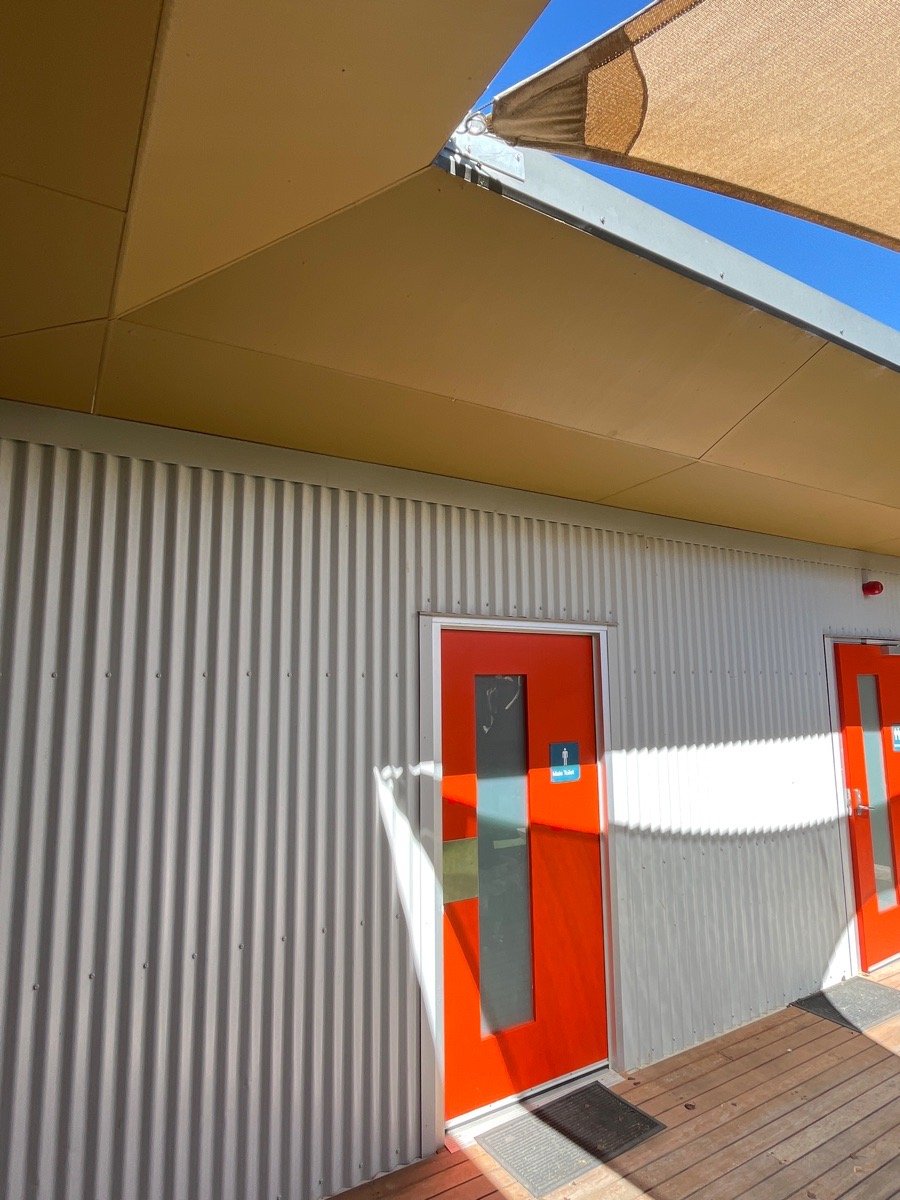
Sustainable Building: Eco-Friendly Practices for Modern Construction
Building for the future means more than just structural integrity; it’s about environmental responsibility and long-term efficiency. Sustainable construction reduces waste, lowers energy costs, and creates healthier living environments. Whether you are planning a new build or an upgrade, integrating green practices is a smart investment.
Here are the key strategies for implementing sustainable building techniques in your next project:
#01
High-Performance Materials
The "skeleton" of a green building is its material choice. Moving away from traditional high-carbon concrete is the first step.
Embodied Carbon Reduction: Using materials like Cross-Laminated Timber (CLT) or low-carbon concrete mixes.
Regenerative Materials: Highlighting bamboo (which grows rapidly) and hempcrete (a mixture of hemp hurds and lime) which actually sequester $CO_2$ during their lifespan.
Recycled Content: Incorporating reclaimed wood, recycled steel, and even bricks made from plastic waste.
#02
Passive Design Strategies
Passive design uses the environment to do the work of heating and cooling, reducing the need for expensive HVAC systems.
Thermal Mass: Using materials like stone or concrete in specific areas to absorb heat during the day and release it at night.
Orientation: Aligning the building to maximize southern exposure for natural heating in winter while using eaves to shade the sun in summer.
Natural Ventilation: Designing "wind chimneys" or strategic window placements to allow cross-breezes to cool the home for free.
#03
Water Conservation & Management
Modern construction treats water as a precious resource that should be "circular" within the property.
Rainwater Harvesting: Collecting runoff from roofs for irrigation or flushing toilets.
Greywater Systems: Treating water from sinks and showers to be reused in the garden.
Permeable Surfaces: Replacing solid concrete driveways with porous materials that allow rainwater to soak back into the ground, preventing local flooding and recharging the water table.
#04
Circular Construction (Waste Management)
Sustainable building isn't just about what you put in, but what you don't throw away.
Deconstruction vs. Demolition: Instead of "wrecking" a site, deconstruction carefully takes it apart to salvage timber, windows, and fixtures for the new build.
Modular Construction: Building sections in a factory setting ("off-site") significantly reduces material waste compared to cutting materials on a windy, muddy job site.
The 3R Principle: Reduce (precise ordering), Reuse (onsite salvage), and Recycle (crushing old masonry for sub-base aggregate).
Final Thoughts
A Better Way to Live At the end of the day, a sustainable home is a healthier home. Through natural ventilation, non-toxic materials, and superior thermal insulation, green construction creates a sanctuary that feels better to live in. Sustainability isn't about giving up modern comforts; it’s about using smarter design to enhance your quality of life every single day.